Guide professional wasp nest removal and prevention services for residential properties
Guide professional wasp nest removal and prevention services for residential properties
Blog Article
Wasps can make a peaceful backyard, porch, or entryway into a potential hazard. A few wasps around a deck may point to a nearby nest. Steady traffic through a wall opening can indicate a growing colony. Professional wasp removal treats the source, not just the wasps you can see.
Effective wasp control in Canada starts with identification and a careful property inspection. A trained pest control technician can find the nest, assess stinging risks, treat the colony, and suggest nest prevention steps. Mosquito Man is one business that provides pest control services for residential properties. The right service plan helps defend your home, outdoor entertaining areas, children and pets.
Why Professional Wasp Control Is Important for Canadian Homes
A wasp infestation can develop quickly during warm weather. One active nest may contain many stinging insects, and defensive behaviour often intensifies when people approach the nest location. Wasps may also enter living spaces through structural gaps, damaged screens, or openings around utility lines.
Professional pest control reduces the risk of a wasp sting during treatment. A technician knows how to evaluate flight paths, nesting conditions, and access points before choosing a method. This matters on every residential property, especially where children, pets, older adults, or people with known allergies spend time outdoors.
Wasps also deserve prompt attention when the nest sits near a door, walkway, play area, shed, or outdoor dining space. Disturbing the nest with a ladder, hose, or household spray can trigger defensive swarming. A professional service uses a planned approach, protective equipment, and treatment methods suited to the species and nest location.
If someone experiences difficulty breathing, swelling of the throat or tongue, dizziness, or widespread hives after a wasp sting, call emergency services immediately. An allergic reaction can become life-threatening within minutes.
Ways to Identify Frequent Wasp Species in Canada
Accurate wasp identification helps determine the safest treatment plan. Colour and body shape offer useful clues, but the nest design and location also matter.
- Paper wasp: A paper wasp often has a thin body and long legs. It creates an exposed, umbrella-shaped wasp nest under roof eaves, porch ceilings, railings, and sheltered overhangs. The visible comb makes the nest easier to spot, but the wasps may still guard the nest.
- Yellow jacket: A yellowjacket has clear yellow-and-black markings. It may make a nest in the ground, beneath steps, inside wall voids, or in roof spaces. Yellowjackets are drawn to food waste and sugary substances. Their activity can become intense around garbage bins and outdoor meals.
- Bald-faced hornet: This insect has dark colouring with light markings on its face. It builds a paper nest that often dangles from trees, roof structures, or the side of a building. Despite its common name, it is a type of wasp and may defend the nest aggressively.
Do not depend on a close approach for wasp identification. Observe from a careful distance and note the insects’ size, markings, flight pattern, and nest shape. A pest control technician can verify the species during the property inspection.
Common Places Wasps Build Nests Near a Home
Wasps prefer locations that offer cover, warmth, and easy entry to food. Some nests are visible, while others remain hidden behind building materials.
- Eaves: The underside of eaves shields open paper nests from rainfall and wind. Check roof edges from ground level, without using a ladder near active wasp activity.
- Attic: An attic can provide a dry, calm space for a colony. Wasps may enter through roof vents, damaged soffits, or small gaps in the roofing system.
- Wall void: A colony inside a wall void may be heard before it is seen. Repeated insect traffic through one crack or opening can signal a hidden nest.
- Underground nest: Yellowjackets often use old rodent holes, gaps beneath paving, or spaces under steps. A small hole with steady insect movement may signal an underground nest.
Wasps may also nest inside sheds, garages, chimneys, porch structures, deck cavities, and unused outdoor equipment. Do not block an opening before treatment. Sealing the entry point while insects remain inside may force them into the home.
What Attracts Wasps to Home Properties
Wasps seek protein, sweet foods, water, and shelter. A tidy yard can still attract them if available food remain accessible during warm months.
- Food scraps: Meat scraps, fruit residue, pet food, and spilled sauces can bring in yellowjackets. Wipe down outdoor surfaces after meals and wash containers before placing them in recycling.
- Sugary drinks: Soft drinks, juice, sweet cocktails, and open cups attract wasps. Use lidded containers outdoors, particularly around outdoor entertaining areas.
- Open garbage: Loose lids, overflowing bags, and exposed scraps give wasps simple access. Fasten garbage bins and clean off residue on the outside of containers.
- Stagnant water: Birdbaths, clogged gutters, plant saucers, and buckets can offer water to drink. Empty or replace these sources often, and fix drainage problems.
Wasps can also check ripe fruit, flowering plants, compost, and small cracks in exterior walls. Removing attractants will not get rid of an active nest, but it can reduce pressure around the home and support broader pest management.
Our Qualified Wasp Nest Removal Process
A qualified wasp removal service should follow a clear sequence. The goal is safe removal, less wasp activity, and effective protection against a new colony.
Inspection and Wasp Species Identification
The service starts with a property inspection. The technician searches for the nest location, flight paths, entry points, and signs of wasp activity. They may inspect roof eaves, attic spaces, wall voids, garages, sheds, gardens, and areas beneath steps.
Species identification directs the treatment choice. A visible paper wasp nest requires a different approach than a yellowjacket colony inside a wall void. The technician also considers access, wind, nearby doors and windows, and the presence of children and pets.
Share useful details before treatment. Tell the technician when you first noticed the insects, where activity is strongest, and whether anyone in the household has had an allergic reaction. Keep people and animals clear of the suspected nest until the inspection is complete.
Safe Treatment and Nest Removal
After the assessment, the technician selects a specific treatment. An insecticide application may be directed at the nest, the entry point, or a cavity where insects travel. In some situations, an aerosol treatment is used for a specific enclosed location. The method depends on the nest type, access, and label directions.
Physical nest removal usually takes place after wasp activity has stopped or reached a safe level. Removing only the outer paper structure will not solve a hidden colony. The technician must address the insects inside the nest and any route they use to enter the building.
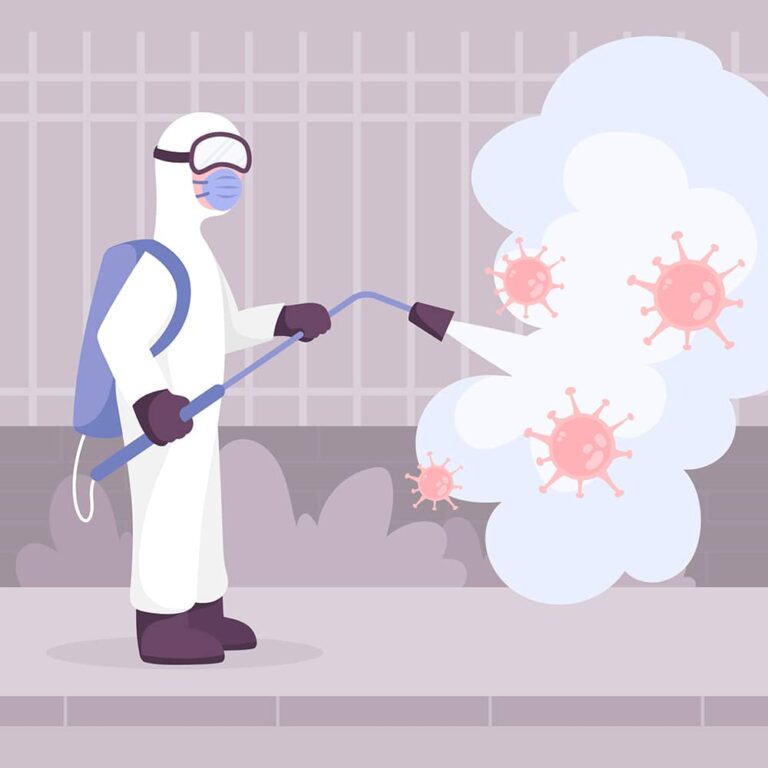
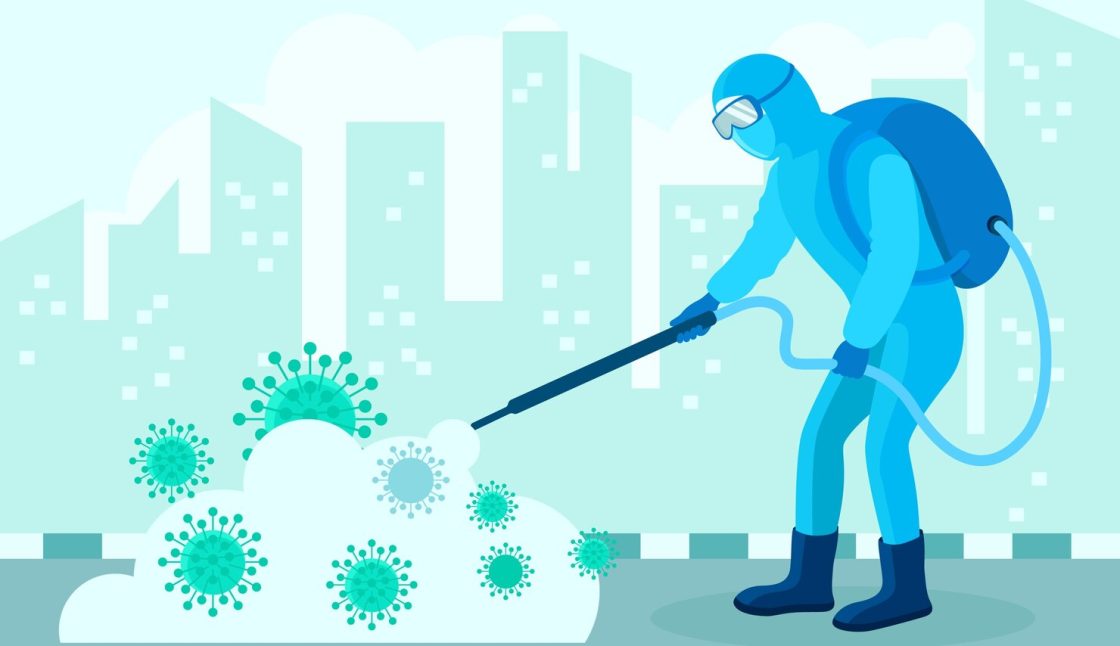
Protective equipment is essential. A trained technician may wear protective clothing, gloves, eye protection, and other protective equipment suited to the job. Do not attempt to copy professional treatment with household products or improvised clothing. DIY pest control risks include stings, falls, exposure to insecticide, and pushing insects deeper into the structure.
Follow all instructions provided after an insecticide treatment. Keep windows closed or people away from the treated area for the stated period. Never touch, move, or wash treated surfaces until the technician confirms that it is safe.
Ongoing Monitoring and Prevention
A follow-up inspection assesses whether wasp activity has stopped and whether insects are using another entry point. This step helps when the nest was hidden in an attic, wall void, or roof structure.
The technician may advise a residual treatment in a suitable area. A residual insecticide can remain active on a treated surface for a period set by the product label and site conditions. It should never be applied casually around food preparation areas, children’s toys, pet bowls, or garden produce.
Preventive pest control may include closing structural gaps, improving screens, correcting moisture issues, and removing food sources. These preventive measures work best after the active colony has been addressed. A follow-up inspection also gives you a chance to confirm that sealed openings remain closed.
What Is the Best Time to Treat a Wasp Nest?
The wasp season varies with weather, but activity generally builds through spring and summer. Early spring is a good time to inspect the exterior of a home. A single overwintering queen may be starting a new nest, so prompt treatment can prevent a small site from becoming an established colony.
Late summer often brings high activity. Colonies are larger, workers forage more often, and wasps may become more noticeable around garbage, fruit, drinks, and outdoor meals. Treating an active nest at this stage still helps, but the risk of defensive behaviour may be higher.
Do not wait for the first warm day if you found an old nest or saw wasps entering a building cavity. A professional can assess the structure and recommend action based on current wasp activity. Old paper nests are usually not reused, but the same sheltered location may attract a new colony.
Are Wasp Control Treatments Safe for Children and Pets?
Pesticide safety depends on the product, application method, treated area, and exposure time. A licensed pest check these guys out control technician should explain what will be treated and which precautions apply before work begins.
Children and pets must stay away from the treatment zone during service. Remove toys, food bowls, water dishes, and outdoor items when instructed. Keep pets indoors or in an untreated area until the re-entry instructions allow access.
A licensed technician follows product labels and uses only the amount needed for the identified problem. Ask when treated surfaces will be dry, whether ventilation is required, and how to handle accidental contact. Do not permit children to inspect a treated nest or touch dead insects.
Good health and safety practice also includes telling the technician about fish ponds, beehives, gardens, respiratory conditions, and known sting allergies. Clear information helps the technician plan a safer service.
How to Prevent Wasps from Nesting Around Your Home
Nest prevention begins with the home’s exterior. Check the home in spring and again during times when wasp activity is high.
- Close cracks: Seal cracks around siding, foundation joints, roof trim, vents, pipes, and utility lines. Use outdoor-rated materials that withstand outdoor conditions.
- Patch screens: Repair torn window screens, door screens, attic vents, and other mesh barriers. A small opening can give wasps access.
- Cover garbage bins: Keep lids firmly shut and place bins away from doors when possible. Clean container residue and clean spills quickly.
- Clear away attractants: Clear fallen fruit, cover sugary substances, limit exposed pet food, and remove standing water. Keep compost contained and clean outdoor eating surfaces.
Also check roof eaves, sheds, decks, and unused equipment for early nest construction. If you see a few wasps repeatedly entering one opening, do not spray into it. Document the location from a safe distance and request an assessment.
When You Should Hire a Professional Wasp Control Service
Contact a professional service when you see a large infestation, repeated wasp activity, or a nest in a difficult location. A hidden nest in an attic, wall void, roof edge, or underground space requires more than just surface spraying.
Expert assistance is especially important if someone in the household has a known allergy or has experienced an allergic reaction to a wasp sting. Keep people away from the nest and make sure everyone knows where emergency medication and medical contacts are stored.
DIY pest control risks grow when you need a ladder, must open a wall or ceiling, or cannot identify the species. Spraying during the day may also expose you to returning workers. A trained pest control technician can plan treatment around access, weather, building conditions, and household safety.
Ask what the service includes. A thorough plan should cover inspection, species identification, nest removal, insecticide treatment where needed, safety instructions, and advice for nest prevention. If the nest is inside a structure, ask how the technician will confirm that the colony has stopped before sealing entry points.
Common Questions About Wasp Control
How can I recognize common wasp species in Canada?
Look at the insect’s body markings, shape, behaviour, and nest design from a safe distance. A yellowjacket usually has yellow and black markings and may nest underground or inside a wall. A paper wasp often builds an open comb beneath an overhang. A bald-faced hornet creates a covered paper nest and has pale facial markings. A technician can confirm wasp identification without requiring you to approach the nest.
What brings wasps to my home or property?
Food sources, sugary substances, open garbage, fallen fruit, pet food, and standing water can attract wasps. Food waste around outdoor bins and drink containers is a common issue. Remove these attractants, keep garbage bins closed, and clean spills promptly. These steps support wasp prevention, but they will not remove an active nest.
How can I safely remove a wasp nest?
Never knock down, burn, soak, or spray an active wasp nest yourself. Keep all people and pets away, observe the nest location from a distance, and contact a professional wasp removal service. A technician can inspect the site, apply a targeted treatment, use protective equipment, and complete physical nest removal when activity has stopped.
What is the best time to treat a wasp nest in Canada?
Early spring is a useful time to inspect for new nests and an overwintering queen. Late summer often brings the highest wasp activity because colonies are larger. Treat a nest whenever you find it, especially if it is near a door, walkway, play area, or building opening. Waiting can allow the colony to grow.
Can wasp control products be safe for children and pets?
Products can be used safely when a licensed technician follows the product label and provides clear re-entry instructions. Children and pets must leave the treatment area during service and remain away for the stated period. Remove toys, food, and water bowls as directed. Never touch treated surfaces or a nest until the technician confirms that access is safe.
Do I need to hire a professional for a large wasp infestation?
Yes. A large infestation, active nest near a living area, or hidden nest presents a higher risk of multiple stings and improper treatment. Professional pest control can locate the colony, assess entry points, choose a targeted treatment, and arrange follow-up monitoring. Professional help is also the better choice when someone in the household has a sting allergy.
What can I do to stop wasps from nesting around my home?
Close cracks and structural gaps, repair screens, secure garbage bins, remove food waste, cover sugary drinks, and empty standing water. Inspect roof eaves, sheds, decks, and vents during spring and summer. If wasps repeatedly enter one opening, arrange an inspection before sealing it. Sealing an active entry point too early can drive wasps into the home.
How should I respond if I have an allergy to wasp stings?
Stay away from and do not disturb the nest. Let another adult or a professional pest control service handle the situation. If you are stung and experience trouble breathing, throat swelling, dizziness, or widespread hives, use prescribed emergency medication according to your medical plan and call emergency services immediately. Walk away from the nest without swatting at the insects, then seek immediate medical attention.
Report this page